


-

Add: HeBei ShengShi HongBang Cellulose Technology CO.,LTD.
-

Email
13180486930@163.com -

CONTACT US
+86 13180486930

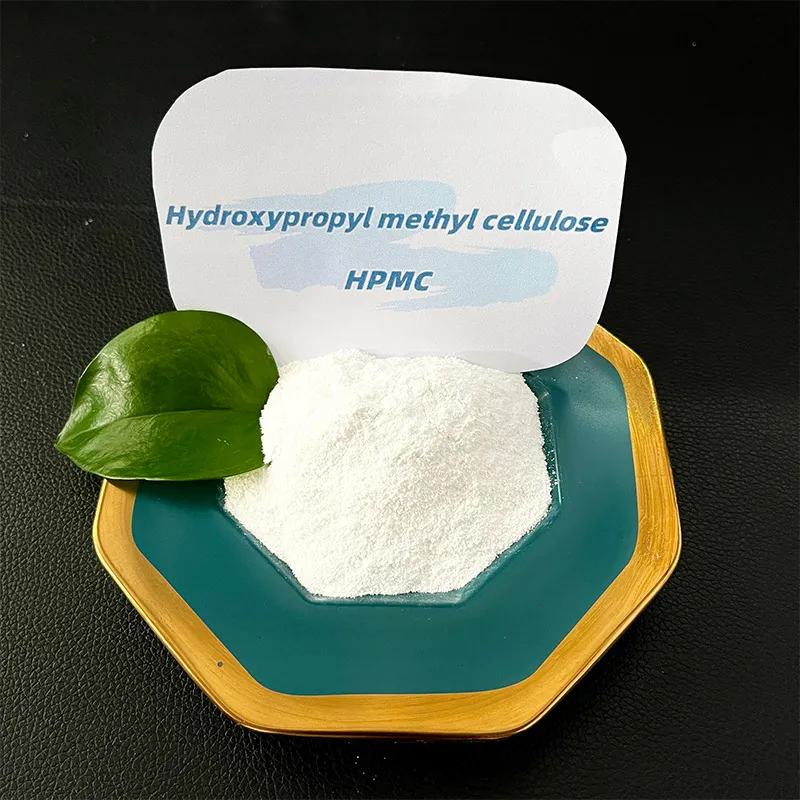



Hydroxypropyl Methylcellulose (HPMC) is a highly versatile and reliable compound used across various industries for its remarkable properties. Whether you're in the construction, pharmaceutical, food, or cosmetic sectors, hydroxypropyl methylcellulose plays an essential role in improving the quality and performance of your products. Known for its ability to act as a binder, thickener, film-former, and stabilizer, HPMC is an indispensable ingredient in modern manufacturing processes. Discover the many benefits of hydroxypropyl methylcellulose and how it can elevate your products. Hydroxypropyl Methylcellulose Function: Enhancing Quality and Performance The hydroxypropyl methylcellulose function is vast and incredibly beneficial in various applications. As a cellulose derivative, HPMC serves several crucial roles, including thickening, water retention, and improving workability in construction materials like tile adhesives and cement. Additionally, hydroxypropyl methylcellulose is commonly used in pharmaceuticals as a binder and controlled-release agent for tablets and capsules. In the food industry, HPMC is often added to enhance texture, stabilize emulsions, and provide moisture retention. Whether for construction, food, or personal care products, the hydroxypropyl methylcellulose function is essential in achieving superior product performance. Where to Buy Hydroxypropyl Methylcellulose: Quality and Affordability When you decide to buy hydroxypropyl methylcellulose , choosing a reliable supplier is key to ensuring you receive high-quality products at competitive prices. Whether you need hydroxypropyl methylcellulose for construction, pharmaceuticals, or food applications, our products meet the highest standards of quality. We offer a wide selection of hydroxypropyl methylcellulose grades to suit your specific needs, with easy ordering and fast delivery options. When you buy hydroxypropyl methylcellulose from us, you're investing in a product that guarantees consistent performance and outstanding results in all applications. Hydroxypropyl Methylcellulose Price: Affordable Solutions for Your Needs Looking for an affordable solution to enhance your products? The hydroxypropyl methylcellulose price is often influenced by factors such as the grade, quantity, and supplier. However, despite the variations in pricing, hydroxypropyl methylcellulose remains a cost-effective solution for many industries. By choosing the right supplier, you can find hydroxypropyl methylcellulose at a price that fits your budget, all while ensuring high-quality results. Our competitive hydroxypropyl methylcellulose price ensures that you can access premium-grade materials without breaking the bank, making it an excellent investment for your manufacturing needs. Why Choose Our Hydroxypropyl Methylcellulose for Your Projects? When it comes to quality, consistency, and performance, our hydroxypropyl methylcellulose products stand out. We offer a wide variety of HPMC grades suitable for various industries, including construction, pharmaceuticals, food, and cosmetics. Whether you're looking to improve adhesion, water retention, or texture, our hydroxypropyl methylcellulose is formulated to meet your specific requirements. With reliable customer service, fast shipping, and competitive pricing, choosing us for your hydroxypropyl methylcellulose needs ensures you get the best product at the best value. Hydroxypropyl Methylcellulose FAQs What is hydroxypropyl methylcellulose used for? Hydroxypropyl methylcellulose (HPMC)is used in a wide range of industries for its excellent properties. It functions as a thickener, binder, stabilizer, and emulsifier in construction materials (such as tile adhesives and cement), pharmaceuticals (as a binder and controlled-release agent), food (to enhance texture and retain moisture), and cosmetics (to improve viscosity and texture). Its versatility makes it an essential ingredient for many manufacturing processes. What is the function of hydroxypropyl methylcellulose in construction? In construction, hydroxypropyl methylcellulose plays a critical role in improving the workability and water retention of cement-based products like tile adhesives, grout, and mortar. It helps to prevent premature drying, allowing the mixture to remain workable for longer periods and improving its adhesion to various surfaces. This enhances the overall durability and strength of construction materials, making HPMCa crucial component in the building industry. How can I buy hydroxypropyl methylcellulose for my project? You can buy hydroxypropyl methylcellulose from trusted suppliers like us, who offer a wide range of HPMC products for various industries. Whether you're in construction, pharmaceuticals, or food processing, we have the right grade of hydroxypropyl methylcellulose to meet your needs. Simply visit our website, browse our product catalog, and place your order with ease. We offer competitive prices, fast delivery, and excellent customer support. How much does hydroxypropyl methylcellulose cost? The hydroxypropyl methylcellulose price depends on several factors, including the grade, quantity, and supplier. However, we strive to offer the most competitive prices without compromising on quality. Our hydroxypropyl methylcellulose is affordable and provides excellent value, ensuring that you get a high-performance product at a reasonable price. For bulk orders, we also offer discounted rates to help you save on large projects. Why should I choose your hydroxypropyl methylcellulose products? Our hydroxypropyl methylcellulose products are carefully manufactured to meet the highest industry standards, ensuring superior performance and consistency. Whether you need HPMCfor construction, pharmaceuticals, or other applications, we offer the best quality at competitive prices. We are committed to providing you with reliable products, fast delivery, and excellent customer support to ensure the success of your project. Choose us for all your hydroxypropyl methylcellulose needs.
- 40000tons

Production
- 20+years

Experience
- 5000+㎡

Acreage

-
Long glass fiber reinforced polypropylene is revolutionizing the way industries approach manufacturing and engineering . As a material celebrated for its impressive blend of durability, light weight, and cost-effectiveness, it is rapidly becoming the preferred choice across multiple applications. This composite brings together the robust strength of glass fibers with the versatility of polypropylene, crafting a union that excels in providing much-needed structural support while remaining significantly lighter than metals or traditional composites. The secret to its strength lies in the integration of long glass fibers, which are uniformly distributed throughout the polypropylene matrix. This uniform dispersion ensures that the resulting material is immensely strong but not at the expense of adding excessive weight. From automotive to aerospace industries, this material exhibits an unparalleled ability to absorb impact and withstand stress. Engineers value its enhanced fatigue resistance, which is critical in components such as underbody shields, front ends, and bumpers, where safety and durability are paramount. Moreover, its resistance to chemicals and environmental factors extends its lifespan, reducing maintenance costs and downtime — a crucial advantage for industries looking to optimize operational efficiency. In addition to its structural benefits, long glass fiber reinforced polypropylene is a champion of sustainability. Its production involves fewer emissions compared to metal processing, and it is fully recyclable, aligning with growing environmental regulations and expectations for industries to adopt greener practices. Companies incorporating this material are actively contributing to a more sustainable future by minimizing their ecological footprint without compromising on performance. Industries benefit not just from the superior mechanical properties but also from the versatility in design. Because the material can be molded into complex shapes with relative ease, manufacturers find new freedoms to innovate, creating products with intricate geometries that would be challenging with conventional materials. This adaptability supports a broad spectrum of applications, from high-performance sporting goods to intricate housing components in the electronics sector. long glass fiber reinforced polypropylene Furthermore, the economic advantages of long glass fiber reinforced polypropylene cannot be overlooked. Its production and application are more cost-effective than many traditional materials, enabling businesses to achieve a balance between quality and expenditure. The streamlined manufacturing processes not only reduce waste but also enhance production speed, meeting the demands of fast-moving markets without sacrificing quality. Expert insights suggest that as industries push towards lightweighting — reducing weight to improve efficiency and performance — the relevance of such advanced composite materials will continue to expand. Specialists acknowledge that the ability to reduce weight without sacrificing strength is not merely beneficial; it is essential for advancements in technology and engineering. Authoritative voices within the materials science community assert that investing in understanding and implementing these composites can give companies a cutting-edge advantage. There is a consensus that as research evolves, the potential applications will broaden, bringing about breakthroughs that might once have seemed out of reach. For a credible incorporation of long glass fiber reinforced polypropylene, it is advisable for companies to partner with experienced material suppliers and engineers who are well-versed in the nuances of this composite. Trustworthy collaborations ensure the realization of the full potential of this remarkable material, enhancing product performance while fostering innovation. In conclusion, long glass fiber reinforced polypropylene is not just a material; it is a transformative tool that is setting new benchmarks in quality and sustainability. Its extensive applications, coupled with strong environmental credentials, make it an indispensable choice for forward-thinking industries. As global challenges mount, embracing such forward-looking solutions not only positions businesses to succeed today but also prepares them for the demands of tomorrow.
-
Methocel F50 is a trademarked brand of methylcellulose ether, commonly used as a thickener, emulsifier, and stabilizer in various applications, ranging from food to pharmaceuticals and industrial processes. Leveraging its unique properties, companies across sectors have found innovative ways to incorporate Methocel F50 into their products, enhancing both functionality and consumer appeal. From a professional perspective, Methocel F50 is celebrated for its versatility . As a non-toxic and hypoallergenic compound, it meets rigorous safety standards, making it suitable for a plethora of applications. In the food industry, for instance, Methocel F50 is often employed to improve texture and consistency in gluten-free products, which usually suffer from density and elasticity issues. The result is gluten-free bread and pastries that mimic the texture and appeal of their traditional counterparts, thus gaining favor among consumers adhering to gluten-free diets. In pharmaceuticals, Methocel F50 serves as an excipient—an inert substance formulated alongside the active ingredient of a medication. Its role in drug formulation is pivotal; as a controlled-release agent, it aids in the gradual release of medication, thereby enhancing efficacy and improving patient compliance. Medical professionals and pharmaceutical experts recognize Methocel F50 for these characteristics, valuing its capacity to maintain consistent performance and ensure product stability over time. In industrial applications, Methocel F50 offers exceptional performance due to its thermal gelation properties. It is often used in the production of building materials and coatings, where it acts as a thickener to control viscosity without compromising strength or durability. This characteristic not only optimizes the manufacturing process but also enhances the end product's quality, reinforcing the product's market competitiveness. methocel f50 The authority of Methocel F50 within its respective domains is well-documented through extensive research and industry validation. Companies utilizing Methocel F50 have reported significant improvements in their product's performance, backed by empirical data and continuous innovation in application techniques. Moreover, its adherence to global safety and quality standards further cements its position as a trusted ingredient across industries. Trust in Methocel F50 is further bolstered by its transparency in formulation and the traceability of its sourcing. Manufacturers are keen to provide detailed information regarding its composition, ensuring that end-users and professionals are well-informed regarding its application and safety. This open communication fosters confidence among consumers and industry experts alike, who prioritize transparency in the products they choose to use or recommend. In summary, Methocel F50 is distinguished by its unmatched versatility and reliability across multiple sectors. Its ability to adapt to diverse applications while meeting stringent safety and quality norms makes it an invaluable component in innovation. As industries continue to evolve, the expertise surrounding Methocel F50 will likely expand, introducing new possibilities and maintaining its relevance in an ever-changing market landscape.
advantages
-

200000 Viscosities
Excellent product
We can produce pure products up to 200,000 viscosities
-

40000 tons
High yield
We don’t stop production all year round, and the annual output can reach 40,000 tons
-

24 hours
Quality service
We provide 24-hours online reception service, welcome to consult at any time
———— Inquiry Form
Schedule A services

-
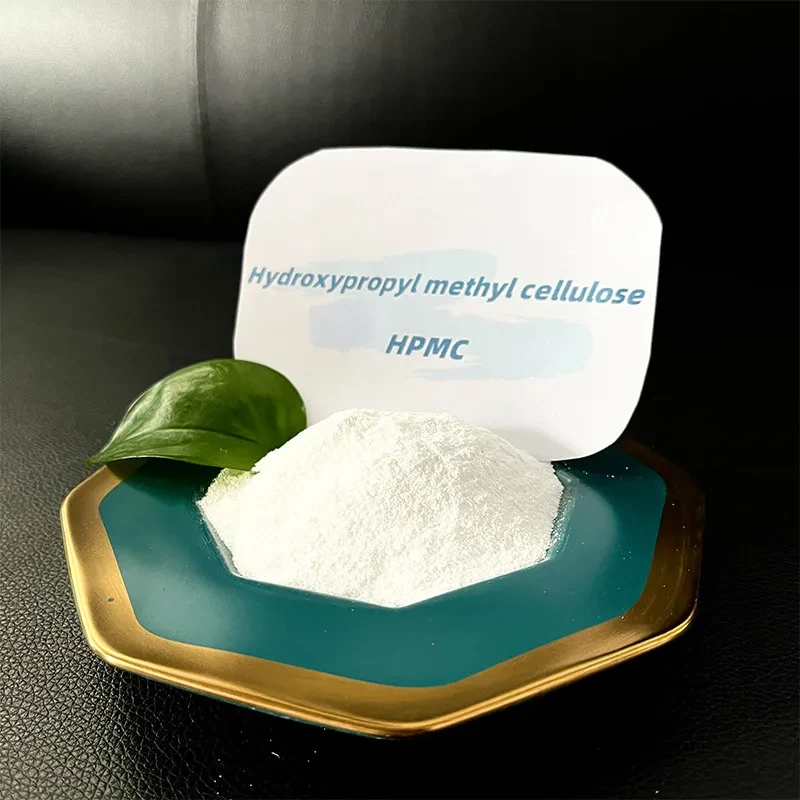 hydroxypropyl_methylcellulose_in_tablets
Oct . 25, 2025
The HPMC Logo A Symbol of Innovation and Quality In today's dynamic world, a logo is more than just -
 polypropylene_synthetic_fiber
Oct . 25, 2025
Powder coating rubber might sound like a niche or a novelty in the world of surface finishing, but i -
 polypropylene_fibre
Oct . 25, 2025
Retarders in gypsum are pivotal components that serve to adjust the setting time of gypsum-based pro


